Loading...
Serving Albany, OR and surrounding areas. (458) 233-8172
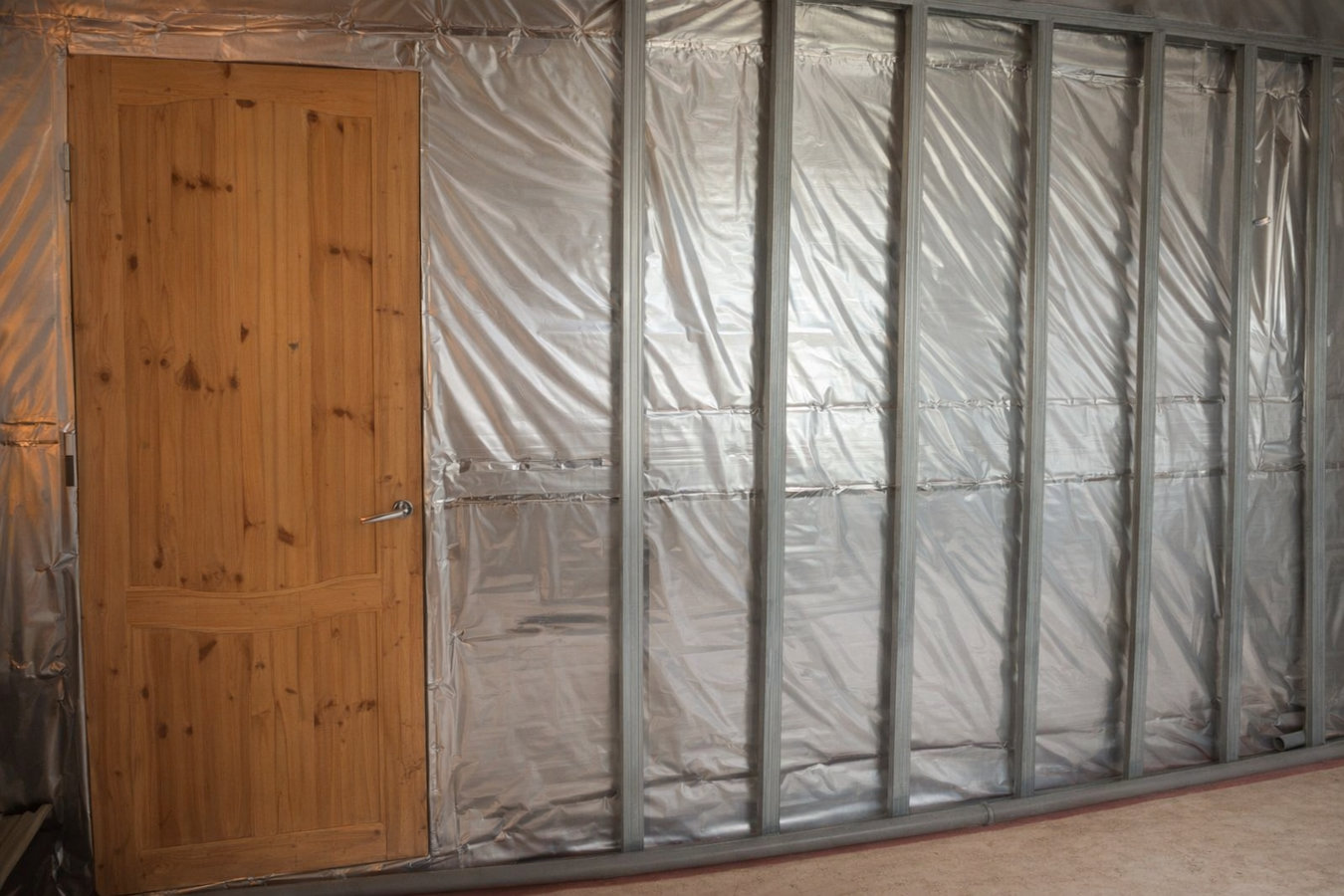
Albany homes without a functioning vapor barrier let ground moisture work on floors and air quality all winter. We install heavy-duty barriers with sealed seams and wall coverage that protect your home for 20 years or more.
Vapor barrier installation in Albany, OR means laying heavy plastic sheeting across the bare ground in your crawl space to block moisture from rising into your floor structure, and most standard Albany homes are finished in a single day.
Albany receives around 44 inches of rain per year, concentrated between October and April. The flat Willamette Valley terrain means water drains slowly and the ground under your home can stay saturated for weeks at a time. That persistent moisture has nowhere to go except upward - into your floor joists, insulation, and eventually your living space. Older Albany homes built in the 1950s through 1970s were often constructed before moisture protection standards were meaningful, so if your home has never had the crawl space inspected, there is a real chance the existing material has degraded past the point of being useful. Once properly installed, a vapor barrier works alongside attic air sealing and insulation improvements to create a home that holds heat and stays dry through Albany winters.
The job itself does not require you to move furniture or vacate your home. The crew works entirely under the house, and there is no dust or noise in your living space. What you get afterward is a crawl space with full ground coverage, taped seams, and perimeter wall coverage - all verifiable before the crew leaves.
When moisture gets into the wood framing under your floors over time, the wood weakens. If you notice areas where the floor gives a little underfoot - especially near exterior walls or in older parts of the house - that is a sign moisture has been working on the structure. In Albany's wet climate, this kind of damage is common in homes that have gone years without a functioning vapor barrier.
That damp, basement-like smell that shows up every fall in Albany homes is usually ground moisture moving up through an unprotected or failing crawl space. It is most noticeable near floor vents, in closets along exterior walls, or in rooms above the crawl space. The smell is not just unpleasant - it signals that moisture and possibly mold are present below your living space.
When moisture saturates the insulation in your crawl space, that insulation loses its ability to hold heat in your home. If your energy bills have risen gradually and you have not changed your habits, a failing vapor barrier may be part of the reason. This is a particularly common pattern in Albany homes built before modern moisture standards were in place.
If you have ever looked into your crawl space and seen water droplets on pipes, metal straps, or the underside of your floor, that is a direct sign that humidity levels down there are too high. Condensation like this accelerates rust on metal components and creates ideal conditions for mold growth. In Albany, this tends to show up most clearly in late fall and early spring when ground and air temperatures are furthest apart.
We install vapor barriers for crawl spaces in single-family homes and provide assessments that tell you exactly what is under your home before any work begins. Every installation uses heavy-duty polyethylene sheeting rated at 10 mils or thicker - thin bargain material fails too quickly in Albany's conditions and defeats the whole point. We cover the entire ground surface with no gaps around piers, pipes, or corners, overlap all seams by at least 12 inches, tape every joint, and run the material several inches up the foundation walls with secure fastening. If you have an older barrier in place, we remove and dispose of the old material before the new one goes in. The result is a crawl space you can verify with a flashlight. For homes where a vapor barrier alone may not be enough - particularly those with standing water history or very high humidity - we discuss whether a crawl space vapor barrier upgrade with drainage improvements or a dehumidifier makes sense before recommending a standard installation.
We also handle projects where vapor barrier installation is part of a larger crawl space improvement. If your home needs new insulation under the floor at the same time, pairing both services means one mobilization cost and a single access disruption instead of two separate projects. When attic moisture or air leakage is also a concern in your home, attic air sealing addresses the top of the house while the vapor barrier addresses the bottom - a combination that makes a noticeable difference in how the home feels and performs through the heating season.
Suits Albany homes that have never had proper moisture protection - full coverage with heavy-duty sheeting, taped seams, and perimeter wall fastening installed in a single day.
For homes with an existing barrier that is torn, bunched, or decades old - old material removed and disposed of before new heavy-duty sheeting is installed to current standards.
Combines vapor barrier installation with crawl space insulation in one visit - addresses moisture and heat loss together for older Albany homes that need both.
Albany's flat valley position means water does not drain away from foundations quickly. After heavy rain, water can pool near the base of your home for extended periods, and the heavy clay soil that covers much of Linn County holds onto that moisture long after the skies clear. That sustained dampness pushes upward with real force through an unprotected crawl space floor. A significant share of Albany's housing stock was built in the 1950s through 1970s - before moisture protection was a standard part of residential construction. Homes in areas like downtown Albany and the older east-side streets from that era may have thin original sheeting that has been degrading for decades, or none at all. The EPA's moisture control guidance and the U.S. Department of Energy both identify crawl space vapor barriers as a foundational moisture control measure for homes in wet climates like the Willamette Valley.
We serve Albany and the surrounding mid-valley, including customers in Corvallis and Independence, where the same Willamette Valley clay soil conditions and older housing stock create comparable moisture challenges. If you have questions about what vapor barrier work typically involves and when a permit is required, the City of Albany's building department is the right starting point for your specific project.
We ask a few basic questions about your home - age, whether you have noticed moisture signs, and whether you know if there is an existing barrier. You do not need to have all the answers. We respond within one business day to schedule a free on-site assessment.
We inspect your crawl space in person, check for standing water or mold, measure the space, and assess any existing barrier. You receive a clear written price before any work begins - no surprises after the fact. This is also your chance to ask questions and understand exactly what you are getting.
The crew enters the crawl space, removes any old material, and lays the new barrier across the full ground surface. Seams are overlapped and taped, edges are run up the foundation walls and fastened. Most Albany homes are done in a single day - you can stay home throughout.
Before leaving, we show you photos of the finished installation and confirm seam coverage and wall fastening. There is no curing time - the barrier works immediately. Over the following weeks, you should notice musty smells fading and the air in your home feeling less damp.
No obligation, no pressure. We assess your crawl space, explain what we find, and give you a written quote you can compare at your own pace.
(458) 233-8172We have worked in Albany-area crawl spaces long enough to recognize what Albany conditions actually look like - clay soil that holds water for weeks, older homes with thin original sheeting, and the specific moisture patterns that show up in the Willamette Valley. That local knowledge shapes what we recommend, which is not always the same as what a generic national contractor would quote.
Our crews have years of hands-on experience with crawl spaces across the Willamette Valley. We give you a written scope before we start and document the finished work with photos, so you know exactly what was installed under your home and have a record to keep on file.
Hiring a crawl space contractor requires trust, because most homeowners cannot easily verify what was done under their house. We bring that transparency by showing you photos of the installed barrier before we close up - coverage, taped seams, wall fastening, all of it. You are not just taking our word for it.
When a project involves insulation, structural repairs, or other work that requires a City of Albany building permit, we handle the permit application and inspection scheduling. You do not have to navigate the city's building department or worry about whether the work was documented correctly - we take that off your plate.
These proof points add up to a contractor you can hire with confidence - someone who knows Albany's specific conditions, carries the credentials Oregon requires, and leaves you with documentation of what was done.
Seals gaps and bypasses in the attic floor to stop conditioned air from escaping - complements crawl space moisture work by addressing heat loss at the top of the house.
Learn MoreGround-level plastic sheeting installed across the crawl space floor to block moisture from rising into floor joists and insulation in Albany, OR homes.
Learn MoreThe wet season starts in October - call today or request a free estimate and get your vapor barrier installed while scheduling is still open.