Loading...
Serving Albany, OR and surrounding areas. (458) 233-8172
Albany winters are long and rainy. If your attic is under-insulated, your furnace runs harder than it should - and you pay for it every month. Blown-in insulation fills the gaps batts miss and brings your home up to current efficiency standards.
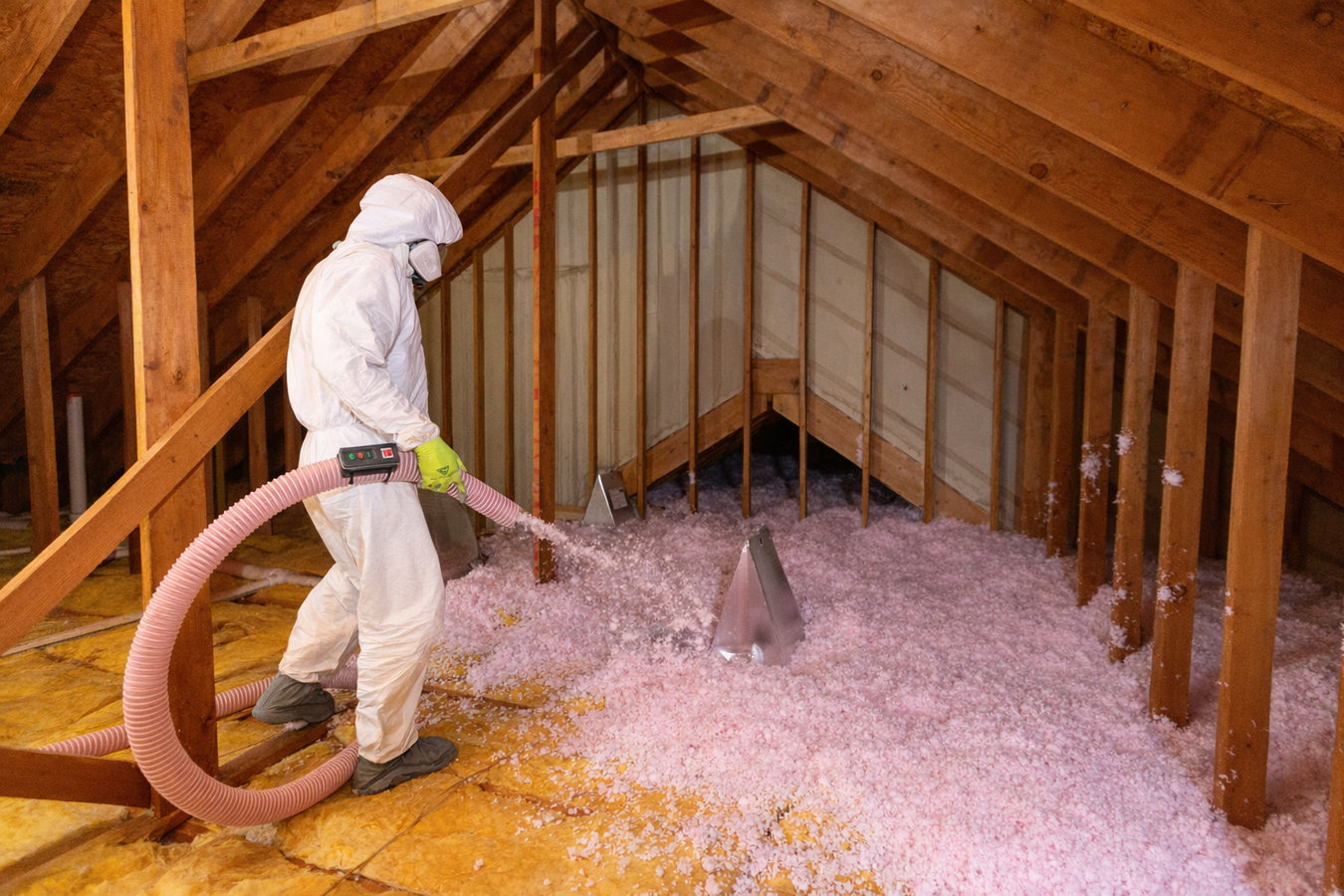
Blown-in insulation in Albany, OR means loose cellulose or fiberglass material blown into your attic floor using a large hose, filling gaps and odd-shaped spaces that batt rolls simply cannot reach well, with most residential jobs completed in a single day.
Albany sits in the Willamette Valley with roughly 44 inches of rain per year and a heating season that stretches from October through April. If your home is more than 30 years old and has never had an insulation upgrade, there is a good chance you are losing heat through the attic every single winter. We start with an honest assessment - no charge - to measure what is up there and tell you exactly what we find.
Many homeowners pair blown-in attic work with whole-home insulation once they see the full picture. And if you are not sure whether your attic or your attic insulation is the right starting point, we are happy to talk through the options.
If your gas or electric bill keeps rising through Albany's long rainy season without any change in your habits, heat loss through the attic is one of the first places to check. An under-insulated attic can account for a significant portion of your total heat loss. Over a six-month heating season, that adds up fast.
When one part of your home is noticeably colder than the rest - especially rooms directly under the roof - the insulation above is likely too thin or uneven. In Albany's older neighborhoods, this is a common complaint in homes where the original insulation has settled over the decades. The fix is usually straightforward once the issue is confirmed.
If you peek into your attic and can clearly see the wooden framing running across the floor, your insulation is too thin. Adequate insulation should completely cover those joists with several inches to spare. This is the easiest self-check a homeowner can do - and one of the most telling.
Albany has a large number of homes from the mid-20th century insulated to the standards of that era, which fall well short of what is recommended today. If your home has never had an attic check and is more than 35 years old, there is a real chance you are losing heat every winter. A quick inspection tells you exactly where you stand.
Our primary blown-in work focuses on attic floors - the highest-impact area for most Albany homes. We carry both cellulose and fiberglass blown-in material. Cellulose is made from recycled paper treated for fire and pest resistance and is a strong environmental choice. Fiberglass blown-in resists moisture better, which matters in Albany's wet climate. We recommend the right material for your specific attic conditions rather than defaulting to one product. Every job starts with air sealing around light fixtures, pipes, and framing gaps before any insulation goes in - because blown-in material on top of unaddressed air leaks is money left on the table.
For homes that need more than the attic addressed, we also tie blown-in attic work into broader home insulation scopes covering crawl spaces and walls. If you are looking specifically at your attic and want to understand the full range of attic insulation options - including batt vs. blown-in - we walk you through the comparison at no cost.
Best for homeowners who want an eco-friendly, recycled-content material with strong thermal performance in Albany's standard attic conditions.
Ideal for attics with moisture exposure or where mold resistance is a priority given the Willamette Valley's damp winters.
Suited to homes that have some existing insulation but fall below current Department of Energy recommendations for Oregon's climate zone.
The complete approach - seal all gaps first, then blow in material - for homeowners who want the highest possible efficiency improvement.
Albany's climate is persistently damp and cool from fall through spring - the kind of weather where an under-insulated attic quietly drains warmth all day long. Most of Albany's housing stock was built between the 1950s and 1980s, long before Oregon adopted its current energy code requirements. If your home is in that age range, the insulation that came with it is almost certainly thinner than what the Department of Energy recommends for this climate zone today. Homeowners in Corvallis face the same challenge - similar housing vintage, same wet winters.
Oregon Energy Trust offers cash rebates to Albany homeowners served by Pacific Power and NW Natural for qualifying blown in insulation upgrades. We are familiar with the program and will tell you upfront whether your project qualifies and what the rebate process looks like - so you are not chasing paperwork after the fact. Homeowners in nearby Lebanon are also eligible and we serve that area regularly. The rebate alone can make a project that felt expensive feel very reasonable.
For authoritative R-value guidance for Oregon homes, see the U.S. Department of Energy insulation recommendations. For rebate eligibility, visit Energy Trust of Oregon.
We ask a few basic questions - your home's age, what you've noticed, and whether any prior insulation work has been done. Most homeowners get a rough ballpark over the phone before we ever visit. We reply to all requests within one business day.
Someone comes out to your home, goes into the attic, measures existing depth, checks for moisture or mold, looks at ventilation, and identifies any air gaps that need sealing first. This visit is free and takes 30 to 45 minutes.
You receive a written estimate showing material type, target depth, air sealing scope, total price, and whether your project qualifies for an Oregon Energy Trust rebate. No pressure to decide on the spot.
The crew sets up outside, runs a hose into the attic, seals the hatch to contain dust, and blows in material to the target depth. Active work typically takes one to two hours for a standard Albany home. You can be home the whole time.
Free estimate. No pressure. We tell you exactly what we find.
(458) 233-8172We seal gaps around fixtures, pipes, and framing before blowing in any material. Skipping this step is the most common shortcut in the industry - it leaves warm air leaking out even after the attic looks full. We show you the sealing work before the material goes in.
Our crews have years of hands-on blown-in experience across the Willamette Valley. We give you a written scope before you ever commit and document the work with photos, so you know exactly what was done.
Most Albany homeowners served by Pacific Power or NW Natural qualify for cash rebates on blown-in attic upgrades. We are familiar with the program requirements and help you understand your eligibility before the job starts - no paperwork chase after the fact.
We have been working on Albany-area homes long enough to know the common insulation problems in the Hackleman and Monteith historic districts, the postwar ranch homes on the south side, and the newer subdivisions on the east end. Local knowledge matters when the housing stock is this varied.
Every one of those points translates into work that is done right and documented - not just finished quickly. When we leave your property, you will know what was installed, where, and why we chose that approach for your specific home.
A complete insulation assessment covering attic, crawl space, and walls - the full picture for Albany homeowners who want to tackle everything at once.
Learn MoreDedicated attic insulation covering batt and blown-in options, with guidance on the right approach for your roof type and existing insulation level.
Learn MoreAlbany winters start in October and do not let up until April. The sooner your attic is properly insulated, the sooner you stop paying for heat that escapes before it reaches your living room.