Loading...
Serving Albany, OR and surrounding areas. (458) 233-8172
Most Albany homes built before 1980 are under-insulated by today's standards. We add insulation to your existing attic, crawl space, and walls with minimal disruption so your home finally holds heat the way it should.
Retrofit insulation in Albany, OR means adding insulation to a home that is already built - without tearing out walls or starting from scratch - targeting the attic, crawl space, and walls using methods that cause minimal disruption to your daily life, with most attic jobs completed in a single day.
Albany's heating season runs from October well into April, and a home with inadequate insulation costs you money every single one of those months. A large share of Albany's housing stock was built in the 1950s through 1970s, when insulation standards were well below what Oregon's energy code requires today. Over time, insulation also settles, gets compressed, or absorbs moisture - all of which reduce how well it works. If you have never had your attic or crawl space assessed, there is a real chance the insulation in your home has been underperforming for years. A natural first step before adding new material is to check whether air sealing is needed - our attic air sealing service addresses the gaps that let conditioned air escape before insulation goes in, since adding insulation over existing leaks reduces the benefit significantly.
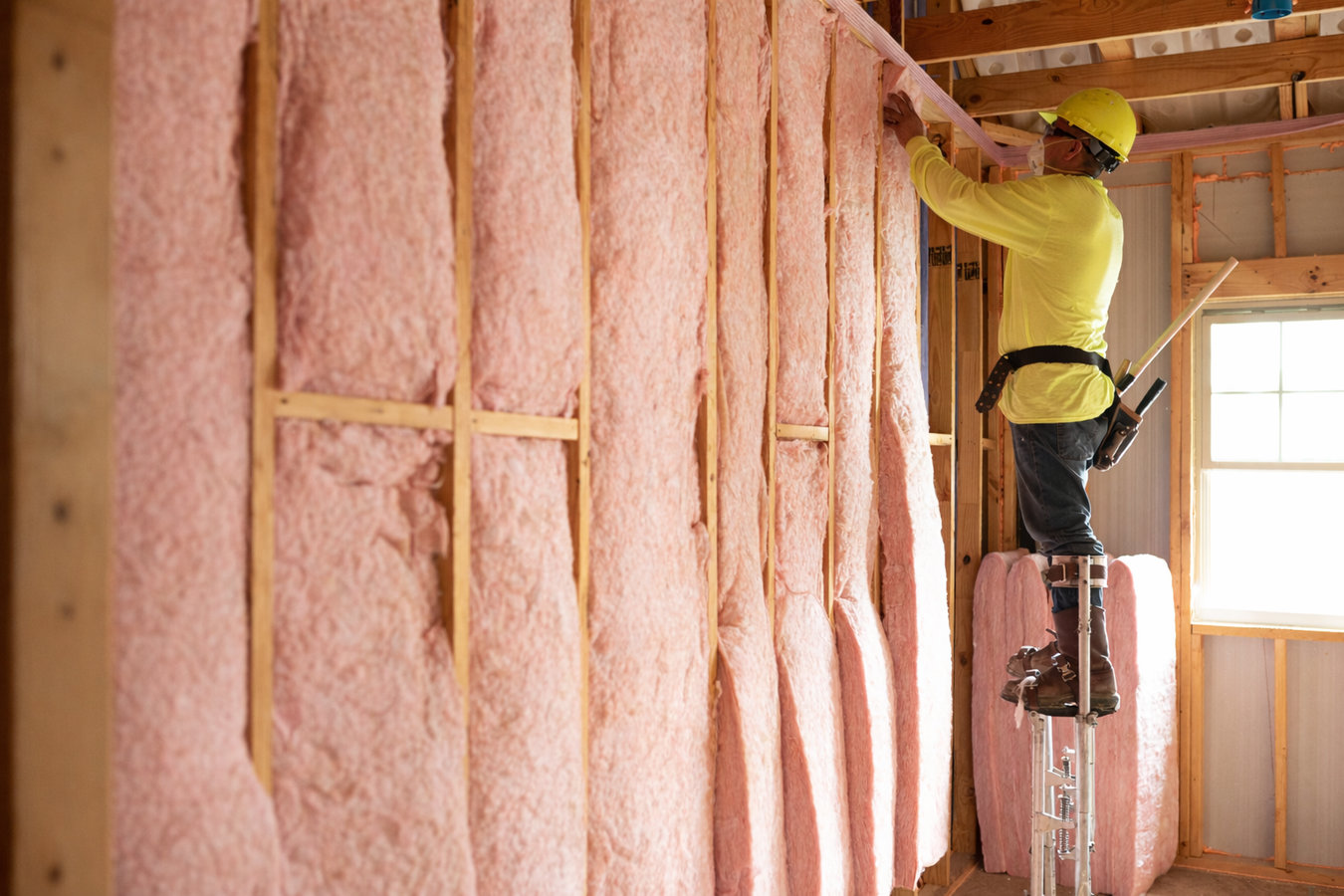
The retrofit process is far less disruptive than most homeowners expect. For an attic job, the crew brings a large hose connected to a blowing machine in their truck, feeds it into the attic, and blows in loose insulation until the correct depth is reached. You can stay home, and the job is typically done by the end of the day. Wall insulation is also possible through dense-pack techniques where small holes are drilled, insulation is blown in, and the holes are patched - leaving the wall surface mostly intact.
If your monthly heating costs feel out of proportion to what your neighbors pay, or if your bill spikes sharply when Albany's rainy season starts, inadequate insulation is one of the most common causes. Albany homes run their heat for six or more months a year, so even a modest insulation improvement can show up clearly on your utility bill within the first full heating season.
If one or two rooms always feel colder than the rest - especially rooms above a crawl space or directly under the roof - that is a strong sign insulation is thin or missing in those areas. This is especially common in Albany homes built before 1980, where insulation was often installed unevenly or has settled significantly over the decades.
In Albany's damp winters, crawl spaces under older homes can become a major source of cold, drafty air that seeps up through the floor. If your floors feel noticeably cold underfoot during the long rainy season, or if you can feel a draft near baseboards, the crawl space insulation is likely inadequate or missing entirely.
If you bought your home more than ten years ago and no one has looked at the attic insulation since, there is a reasonable chance it is below current recommended levels - especially in Albany's older housing stock. A quick visual inspection, which most contractors do at no charge, can tell you within minutes whether an upgrade is warranted.
We begin every retrofit insulation project with a physical inspection - measuring what insulation is already in place, looking for signs of moisture or damage, and checking for gaps that need to be sealed before new material goes in. Oregon's residential energy code targets a specific level of thermal resistance for attic insulation in existing homes, roughly equivalent to about 12 to 15 inches of blown-in material depending on the type used, and we make sure the finished job meets or exceeds that standard. For attic work, we use loose-fill blown-in insulation that fills around joists, pipes, and irregular spaces far more completely than batt material can in an existing home. Every attic job also includes air sealing of the visible penetrations in the attic floor, because adding insulation over existing gaps reduces the benefit you get. For homes where the crawl space needs attention at the same time, pairing both services in one visit reduces cost and disruption. When wall insulation is needed, we use dense-pack techniques that let us fill existing wall cavities through small holes that are then patched, leaving your finished walls intact. This service works alongside our full home insulation program for homeowners who want to assess the whole house at once rather than addressing one area at a time.
For homes where spray foam insulation is the right material - particularly for rim joists, crawl space walls, or areas that need both insulation and air sealing in one step - we carry that option as well. We match the material to the application rather than defaulting to one approach for every job. After the installation, we walk you through what was done, confirm the depth of insulation installed, and provide the documentation you need to apply for Energy Trust of Oregon rebates and federal tax credits.
Suits Albany homes with thin or settled attic insulation - blown-in material added to the correct depth in a single day with air sealing included.
For homes with cold floors and drafty rooms above an uninsulated or poorly insulated crawl space - moisture assessment included before any material is installed.
Suitable for older Albany homes with empty or under-filled wall cavities - insulation blown into existing walls through small holes that are then patched, leaving finished surfaces intact.
Albany has a significant number of homes built in the 1950s through 1970s - many of which were insulated to standards that are now considered well below what is needed for comfort and efficiency. These homes often have little or no insulation in the crawl space and only a few inches in the attic, far less than what Oregon's current energy code recommends. Albany's climate compounds the problem: the Willamette Valley receives around 44 inches of rain per year, and crawl spaces under older homes frequently accumulate moisture that degrades whatever insulation is down there. A contractor who adds insulation without first checking for moisture is setting you up for premature material failure. The Energy Trust of Oregon - which serves Pacific Power customers throughout the Albany area - offers rebates specifically for insulation upgrades in existing homes, and those rebates stack on top of the federal tax credit.
Homeowners in Halsey and Sweet Home often share the same challenges as Albany: older housing stock, crawl spaces that need moisture attention before insulation, and long heating seasons that make under-insulated homes expensive to live in. We serve those communities regularly and bring the same thorough approach - moisture check first, correct material for the application, and all rebate documentation handled before we leave.
Call or submit a request online. We will ask about your home's age, the areas you are concerned about, and any comfort problems you have noticed. We reply within one business day and can typically schedule an in-home assessment within a few days to a week.
We come out and physically inspect the attic, crawl space, or walls - wherever insulation work may be needed. We measure what is already there, look for moisture or damage, and check for gaps that need sealing before any material is added. This visit typically takes 30 to 60 minutes and is provided at no charge.
You receive a written estimate breaking down what work is recommended, what materials will be used, and the total cost. A good estimate also notes whether the work qualifies for Energy Trust of Oregon rebates or the federal tax credit. Take your time reviewing it - there is no pressure to commit on the spot.
The crew arrives with their equipment and completes the installation - most attic jobs are done in a single day. Before they leave, they walk you through what was done, confirm the insulation depth, clean up any debris, and hand over any paperwork needed to submit your rebate claim.
No pressure, no obligation - just a clear written quote, honest advice about what your home actually needs, and a full breakdown of Energy Trust rebates and federal tax credits you qualify for.
(458) 233-8172In Albany's wet climate, adding insulation to a damp crawl space leads to mold and material failure within a few years. We assess for moisture on every project and address it before we install anything. This is the step many contractors skip - and the one that determines whether your investment lasts.
Oregon's residential energy code sets a specific thermal resistance target for attic insulation in existing homes. We confirm the finished depth meets or exceeds that target on every job. This matters for rebate eligibility, for your home's resale value, and for getting the performance you are paying for - not just for having some insulation in the attic.
Older Albany homes come with specific challenges: tight crawl spaces, non-standard framing, and insulation that has been there since the 1960s. We work on these homes regularly and know the quirks that can trip up a less experienced crew. You will not be our first older Albany home - not by a long stretch.
Energy Trust rebates and federal tax credits are real money, but only if the documentation is complete. We provide everything you need before we pack up - so you are not chasing paperwork later. The IRS Energy Efficient Home Improvement Credit can cover up to 30 percent of qualifying insulation costs.
Taken together, these practices mean a retrofit insulation project with Albany Insulation delivers the performance you expect, the longevity your investment deserves, and every incentive dollar you are entitled to. Albany's older housing stock is what we work on every day - and we know how to do it right.
For rim joists, crawl space walls, and hard-to-reach areas where spray foam provides both insulation and air sealing in one step.
Learn MoreA whole-home assessment and insulation plan for Albany homeowners who want to address every area - attic, walls, and crawl space - at once.
Learn MoreMost Albany homes have room to improve. Call us now or request a free estimate and we will tell you exactly what your home needs, what it will cost, and what rebates bring that number down.